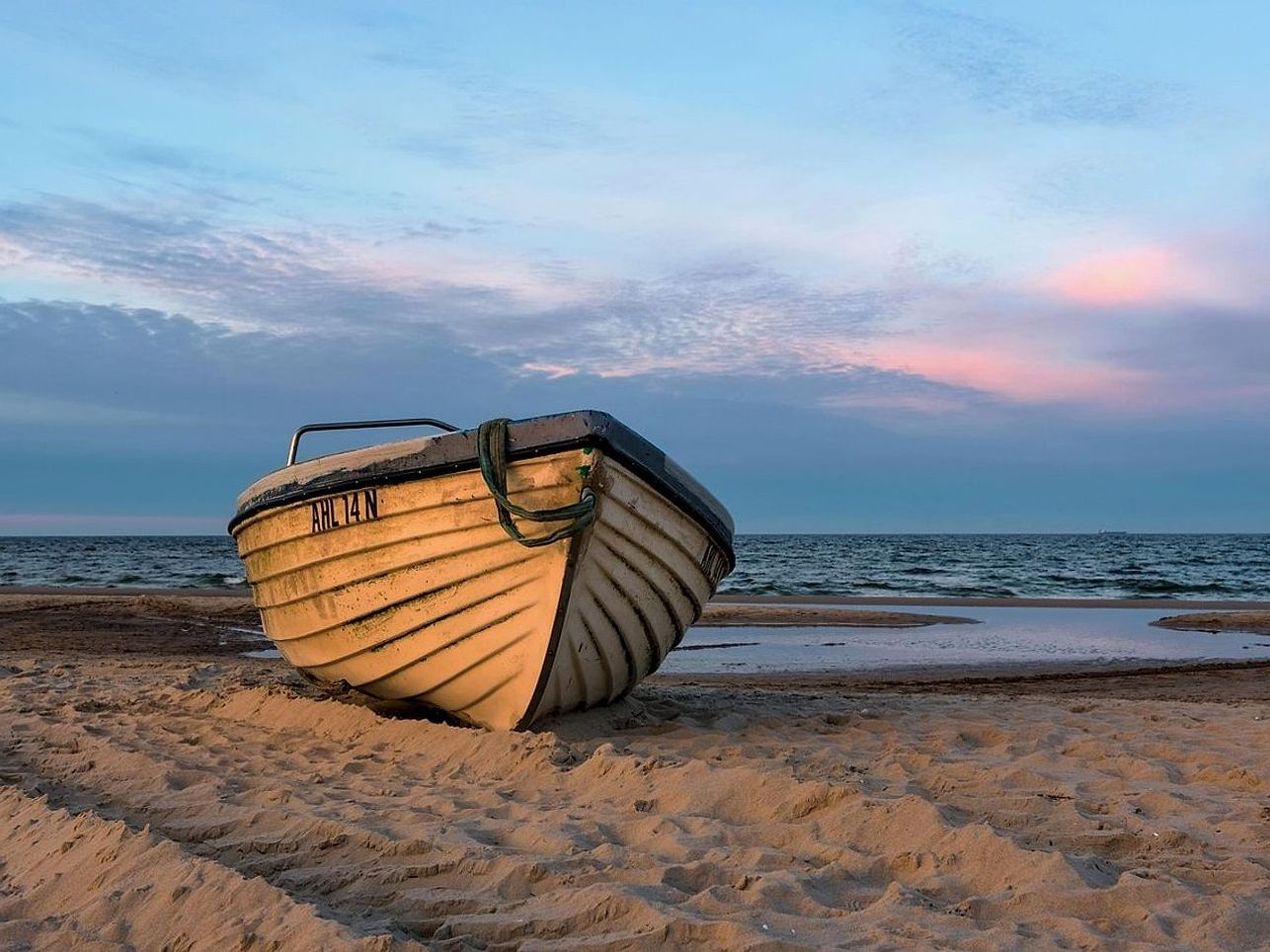
There's a stretch of the morning on the ice that belongs to almost nobody but the regulars. It starts about an hour before first light, when the auger holes are drilled and the shanty lamps are the only light for miles, and it ends the moment the sun clears the tree line and the lake comes alive. Anyone who has fished through it will tell you the same thing: the first bite of the day, often a perch or a stray pike cruising the shallows, is never the one you write home about — it's the quiet before it that keeps you coming back season after season.
The lake is never silent
The first surprise out on the ice is how much there is to hear once the trucks cut their engines and the lights go out. With no headlamp to fish by yet, the ear takes over — water moving somewhere beneath the surface, the low groan of the ice settling as the temperature keeps dropping, the faint metallic tick of a tip-up flag down the row that you can't quite see yet, a snowmobile idling way off toward the public landing. Anglers who normally rush from hole to hole, checking jigs and resetting bait, find themselves standing still for minutes at a stretch, listening, long before the first line of the morning ever drops.
None of this is mystical. Sound travels much further across cold, still ice than it ever does over open water in summer, and there's nothing else out there competing with it — no traffic, no wind through leaves, nothing but your own footsteps and the hum of an auger somewhere far off. Knowing the physics doesn't make it any less eerie the first time a deep crack rolls across the lake under your boots, long and low, like the ice is clearing its throat.
The second surprise is how well the eyes adjust once the truck lights go off. Given twenty minutes without a headlamp, most anglers can find their way across the ice by the difference between the pale surface and the dark tree line ringing the shore. The trick is not to stare straight down at the hole you're watching: peripheral vision picks up a twitching flag or a shadow sliding beneath the ice far faster than a direct look ever will, which is half the reason old hands set up their shanties in a loose circle instead of a straight line.
There's a limit, and it's worth being honest about it. Under heavy cloud with no moon, the line between solid ice and open water disappears completely, and the sensible move is to switch on the lantern you brought rather than trust your eyes. Nobody hands out trophies for finding a thin patch the hard way, and every season the local reports include at least one reminder of that.
What the ice asks of you
An earlier night, which is the part almost nobody manages before a dawn trip. One more layer than you think you need, because the real cold on the lake lands just before sunrise rather than in the middle of the night. And ice you've already checked yourself, because dawn is not the hour to find out whether last week's thaw left a soft spot near the old pressure ridge — that's what the season's reports are for, but nothing replaces drilling your own test hole.
Also: tell someone which lake you're on. It's one of the oldest tips in the fishing community, the one thing separating the anglers who stick with it for decades from the ones who quit after one bad season. It costs nothing, and it removes the only outcome that actually ends a morning badly.
Beyond that it asks for very little. A lantern kept off until you actually need it, a thermos of something hot, and enough patience that you stop checking the clock between flags. The point is to get out on the local waters early, drill your holes, and let the fish decide when they're ready to bite.
You don't go out onto the ice to watch the fish start biting. You go out to be there, lines already down, when they finally decide to.
Then the lake wakes up
It doesn't happen all at once, and it never happens where you expect. Long before the sun clears the tree line, the lake starts giving itself away — a flag twitches on the far side, then an auger starts up somewhere down the shoreline, then the first word crackles over the radio that perch are stacking up near the old drop-off. Activity comes back to the ice long before the fish do, and the smart ones are already moving toward it.
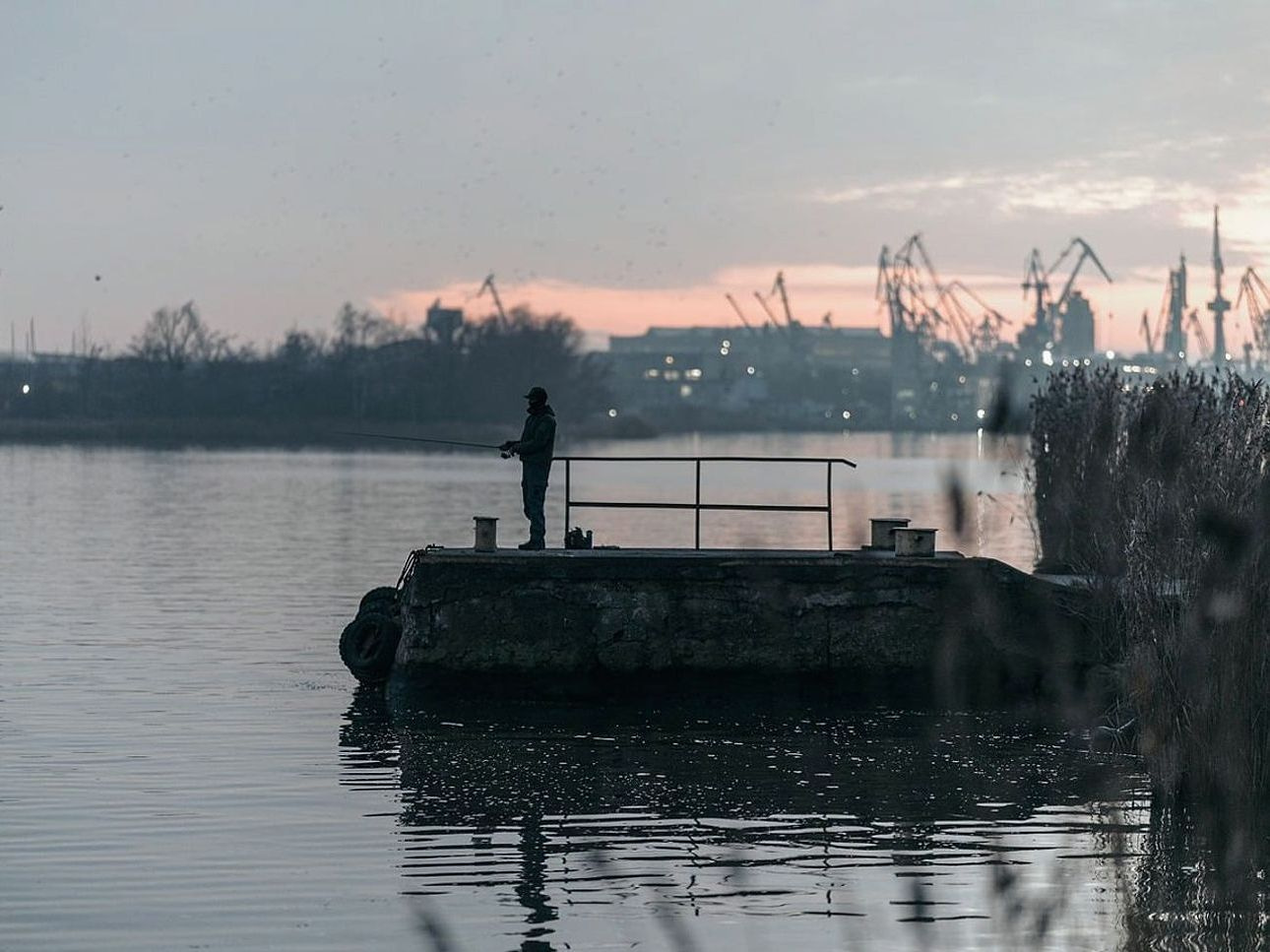
There's a short window, maybe four or five minutes, when the low sun rakes sideways across the ice and every pressure ridge, drift, and old auger hole stands out in sharp relief. Then it climbs higher, the glare flattens, and the lake goes back to looking like any other grey morning — right about the time the bite usually slows down too.
The temptation now is to reach for a camera and photograph the catch, and there's nothing wrong with that — though almost every angler in this fishing community reports the same thing afterward. The photo is fine, and it isn't really the point. What a photo can't hold is the twenty cold minutes of standing over a quiet hole, watching your line, that came before the flag finally popped.
Going back
The mornings that come up empty matter too. Flat grey skies, a wind that makes standing on the ice miserable, an hour of jigging for nothing worth writing into the catch report — these are what make the good mornings mean something. Without the slow days on the local waters, every trip would blur into the same story, and nobody would trust the reports that say this season is actually fishing well.
Fish often enough and the mornings stop being interchangeable. You start to recognise the days that will turn out well from the feel of the wind on the walk out to your spot, and you're wrong often enough to keep coming back next season anyway. The honest reason has little to do with the catch itself: for one hour nothing is asked of you, nothing can reach you out past the shoreline, and the lake hasn't yet decided what kind of day it's going to hand you — perch, pike, or nothing at all.
Mira K. fishes before dawn more often than is reasonable, and has been filing catch reports for this fishing community since its very first season on the ice.